Source High Reliability Biogas Holder for Farms, Plants, and Industries
Compare 30 high reliability biogas holder options featuring automatic control, customizable volumes, and durable materials like PVDF. Buyers can evaluate specifications including service life, certifications, and treatment processes to select suitable units for gas storage applications.
Key considerations
Products List


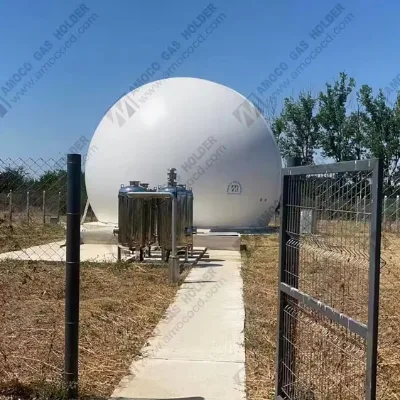


Comprehensive Sourcing Guide
High Reliability Biogas Holder Sourcing Guide
Sourcing high reliability biogas holders requires a disciplined approach that balances technical performance with commercial viability. These systems are critical for the stable storage of biogas generated from biological treatment processes, ensuring that energy recovery remains uninterrupted even during fluctuating production cycles. Buyers must recognize that "high reliability" is not a single attribute but a composite of material integrity, automation precision, and structural durability. The market offers a diverse range of solutions, from flexible membrane tanks to rigid steel structures, each with distinct operational profiles. Understanding these variations is essential for aligning procurement decisions with specific site constraints, gas volume requirements, and long-term maintenance budgets.
The procurement landscape for biogas holders is characterized by significant variability in specifications, pricing, and supplier capabilities. Observed market data indicates a wide price range, typically spanning from $500 to $200,000 USD, reflecting differences in capacity, material quality, and automation levels. Minimum order quantities (MOQ) are frequently listed as one unit, suggesting that suppliers often operate on a project-based or custom-manufacturing model rather than mass production. This variability necessitates a rigorous verification process where buyers must cross-reference technical claims with physical evidence and third-party certifications. The goal is to identify suppliers who can deliver consistent quality and adhere to international standards, thereby mitigating the risks associated with large-scale infrastructure investments.
Product Scope and Observed Listing Signals
The product scope for biogas holders encompasses a variety of designs, including flexible membrane tanks, rigid steel structures, and hybrid systems. Listings often highlight key attributes such as automatic operation, customization options, and new condition status, which are standard expectations for modern installations. The treatment process associated with these holders is typically biological, indicating their role in the downstream storage phase of anaerobic digestion facilities. Buyers should note that while many products claim "explosion-proof certification" or specific material compositions like PVDF or special steel plates, these attributes must be verified against the specific operational environment of the site. The diversity in models, such as Holder-V series, GV series, and GFS tanks, suggests that suppliers offer tiered solutions based on volume and pressure requirements.
Observed listing signals reveal a strong emphasis on capacity and physical dimensions, with volume ranges extending from 20 cubic meters to over 60,000 cubic meters. This wide range allows for scalability, from small-scale agricultural digesters to large municipal waste management facilities. However, buyers must be cautious of conflicting standard claims, such as references to 5000m3 or 200m3 standards, which may indicate specific model baselines rather than universal compliance. The presence of features like digital data output, auto control systems, and pressure/volume sensors points to a trend toward smart, monitored storage solutions. These technological integrations are crucial for maintaining high reliability, as they enable real-time monitoring of gas levels and structural integrity, allowing for proactive maintenance rather than reactive repairs.
Technical Specifications to Verify
Technical verification begins with the assessment of material composition and structural integrity. Listings mention materials such as PVDF, special steel plates, and non-metal tanks, each offering different advantages in terms of corrosion resistance, tensile strength, and weight. For instance, PVDF materials are often highlighted for their chemical resistance, while steel plates provide robust structural support for larger volumes. Buyers should verify the wall thickness, with some listings specifying 16mm for rigid structures, and the tensile strength, which ranges from 3000 to 7500 N/5cm in observed data. These parameters directly impact the holder's ability to withstand internal pressure and external environmental stresses, making them critical factors in determining long-term reliability.
Automation and control systems are equally important technical specifications that require careful evaluation. High reliability is often achieved through advanced control systems that manage gas pressure, volume, and temperature automatically. Listings indicate the presence of digital data output and sensors for pressure and volume, which are essential for integrating the holder into a broader plant management system. Additionally, the applicable processes, such as CSTR, USR, or UASB, should be matched with the holder's design to ensure compatibility. Buyers must also consider the operating temperature range, which some products claim to support from -30 to 70 degrees Celsius, and verify that the material properties remain stable within this range. The connection methods, such as lapping and bolting, should also be inspected to ensure they meet the required safety and leak-tightness standards.
Compliance and Safety Documentation
Compliance and safety are paramount in the procurement of biogas holders, given the flammable nature of the stored gas and the potential for high-pressure environments. Buyers must insist on comprehensive certification documentation, with ISO and CE marks being common indicators of adherence to international quality and safety standards. Some listings also mention explosion-proof certification, which is critical for installations in hazardous areas. However, buyers should not rely solely on these labels; they must request detailed test reports and compliance certificates from accredited third-party laboratories. This verification process ensures that the product has been rigorously tested for safety performance and meets the specific regulatory requirements of the installation location.
Safety documentation should also include detailed operational manuals and maintenance guidelines. These documents provide essential information on how to operate the holder safely, including procedures for pressure relief, emergency shutdown, and routine inspections. Buyers should verify that the supplier provides clear instructions on handling the gas, managing the membrane or structure, and responding to potential leaks or failures. Additionally, the presence of anti-corrosion and anti-UV characteristics, as mentioned in some listings, should be supported by material safety data sheets (MSDS) and warranty terms. These documents collectively form the basis of a safe operating environment, reducing the risk of accidents and ensuring the longevity of the investment.
Cost Drivers and Commercial Terms
Cost drivers for biogas holders are influenced by a variety of factors, including capacity, material quality, automation level, and customization requirements. Larger volumes, such as those exceeding 10,000 cubic meters, typically command higher prices due to the increased material and engineering costs. Similarly, advanced automation features, such as auto control systems and digital monitoring, add to the overall cost but offer significant operational benefits. Buyers should also consider the impact of customization, as tailored solutions often involve additional design and manufacturing expenses. Understanding these cost drivers allows buyers to make informed trade-offs between initial investment and long-term operational efficiency.
Commercial terms, including pricing, MOQ, and lead times, vary significantly among suppliers. While observed MOQs are often listed as one unit, buyers should negotiate for volume discounts or favorable payment terms, especially for large-scale projects. Lead times can be lengthy, particularly for custom-manufactured items, so it is essential to establish clear delivery schedules and penalties for delays. Buyers should also inquire about the packing methods, such as wooden boxes, containers, or pallets, as these can impact shipping costs and handling requirements. Transparent commercial terms help mitigate financial risks and ensure that the project stays on budget and on schedule.
Supplier Qualification and Quality Control
Supplier qualification is a critical step in the procurement process, requiring a thorough assessment of the supplier's technical capabilities, production facilities, and quality management systems. Buyers should verify the supplier's ISO certification and other relevant accreditations, ensuring that they adhere to international standards for manufacturing and quality control. Site visits or virtual tours can provide valuable insights into the supplier's production processes, equipment, and workforce expertise. Additionally, buyers should request references from previous clients, particularly those with similar project scales and requirements, to gauge the supplier's reliability and performance.
Quality control measures should be integrated into the procurement contract, with clear specifications for inspection and testing procedures. Buyers should define acceptance criteria for material quality, dimensional accuracy, and functional performance, and require third-party inspections before shipment. Regular communication with the supplier during the manufacturing process can help identify and address potential issues early, reducing the risk of delays or defects. By establishing a robust quality control framework, buyers can ensure that the delivered biogas holder meets their high reliability expectations and performs as intended in the field.
Long-Term Procurement Checks
Long-term procurement checks focus on the sustainability and support provided by the supplier after the initial sale. Buyers should evaluate the supplier's warranty terms, service life claims, and availability of spare parts. Some listings mention a service life of over 30 years, which is a significant selling point but must be supported by material durability data and maintenance requirements. Buyers should also assess the supplier's technical support capabilities, including the availability of remote monitoring, troubleshooting assistance, and on-site maintenance services. A reliable supplier will provide comprehensive support throughout the lifecycle of the product, ensuring optimal performance and minimizing downtime.
Finally, buyers should consider the environmental and regulatory landscape, which may evolve over the life of the installation. Suppliers who stay abreast of changing regulations and offer upgrades or modifications to meet new standards provide added value. Buyers should also monitor the supplier's financial stability and market reputation, as these factors can impact their ability to provide long-term support. By conducting regular reviews and maintaining a strong relationship with the supplier, buyers can ensure that their biogas holder investment continues to deliver high reliability and value over time.
FAQs
What certifications are available for high reliability biogas holders?
High reliability biogas holders typically feature ISO and CE certifications to ensure compliance with international safety and quality standards. These certifications verify that the manufacturing processes meet rigorous engineering requirements. Buyers should verify specific documentation for each unit to confirm adherence to relevant regional regulations and operational safety protocols.
How does the volume capacity vary for these biogas holders?
Volume capacities range widely from 200 to 10,000 cubic meters for standard models, with some specialized units reaching up to 60,000 cubic meters. This flexibility allows facilities to match storage size precisely to their biogas production rates. Customized volume options are available to accommodate specific project scales and operational requirements effectively.
Can the color of the biogas holder be customized?
Yes, the color can be customized to meet specific site requirements or branding needs. Standard options often include dark green, white, and blue, but tailored finishes are available. This customization helps in integrating the equipment seamlessly into existing industrial environments while maintaining aesthetic consistency across the facility.
What material is used for the tank construction?
Tanks are constructed using specialized materials such as PVDF or special steel plates to ensure durability and resistance to corrosion. Some models utilize non-metal tank materials for specific applications. These materials are selected for their ability to withstand harsh chemical environments and maintain structural integrity over a service life of over 30 years.
What automation features are included in the control system?
The control systems are fully automatic, featuring digital data output and sensors for pressure and volume monitoring. This automation ensures precise management of biogas storage and distribution. Operators can rely on real-time data to maintain optimal pressure levels and prevent overfilling, enhancing overall operational safety and efficiency.
How is the product packed for shipping?
Products are packed in standard export wooden boxes, plywood packages, or containers depending on the model size. This robust packaging protects the equipment during transit and ensures safe delivery to the installation site. The packing method is designed to prevent damage and facilitate easy handling and unloading upon arrival.